The Fire Danger of Rodent-Chewed Electrical Wiring
Rodents chewing on residential electrical wiring represents one of the most dangerous, hidden fire hazards in suburban Texas homes. According to data from the National Fire Protection Association (NFPA), between 20% and 25% of all unexplained structural fires with undetermined causes are suspected to originate from rodent-damaged wiring.
Rats and mice do not chew on electrical wires because they derive nutrition from plastic. Rodents possess open-rooted incisors that grow continuously throughout their lives. To prevent their front teeth from growing into their jawbones, rodents must constantly gnaw against hard surfaces. The flexible PVC and thermoplastic insulation covering residential Romex wiring provides an ideal texture for grinding teeth.
In Friendswood, attics in neighborhoods like Wilderness Trails, West Ranch, and Autumn Lakes frequently house extensive networks of 12-gauge and 14-gauge electrical circuits that become prime gnawing targets for roof rats.
How Chewed Wiring Causes Attic Fires
- Stripping the Protective Insulative Jacket: A roof rat uses its razor-sharp incisors to strip away the outer Romex jacket and the color-coded insulation around the hot, neutral, and ground copper conductors.
- Electrical Arcing Across Bare Copper: Once the conductors are bare, high electrical current can jump (arc) between the hot wire and the ground wire or adjacent metal roofing clips. Electrical arcs generate instantaneous temperatures exceeding 1,000 degrees.
- Flash Ignition of Attic Insulation: Blown-in cellulose insulation, paper-backed fiberglass batts, and dry wooden roof trusses ignite rapidly when exposed to electrical arcing. Because the attic is unoccupied, fires spread across the roof deck before smoke detectors in living spaces are triggered.
Automotive Wiring Damage: The Vehicle Engine Bay Hazard
In addition to residential wiring, rodents frequently inflict catastrophic damage on personal vehicles parked in garages, carports, and driveways across Galveston County.
Modern automotive manufacturers utilize bio-plastic wire insulation manufactured from soy and corn-based compounds. To foraging rodents, soy-based wiring harnesses in automobile engine bays smell like food. Rats and mice crawl into warm engine compartments, chew through wiring harnesses, and disable fuel injection systems, electronic control modules (ECMs), and braking sensors. Repairing rodent vehicle damage frequently requires thousands of dollars in emergency repairs and full harness replacement.
Diagnostic Signs of Chewed Wiring
- Flickering Overhead Lights: Intermittent electrical dimming or flickering in ceiling fixtures without an obvious municipal power surge.
- Tripped Circuit Breakers & Arc-Fault Sensors: Circuit breakers in your main electrical panel tripping repeatedly when high-draw appliances (hairdryers, vacuums, microwaves) are activated.
- Plastic Burning Odors: A faint, acrid smell of melting plastic or ozone radiating from ceiling vents or attic access hatches.
- Dead Outlets on Exterior Walls: Wall outlets suddenly losing power along a shared exterior circuit.
Emergency Response & Permanent Protection
- Immediate Electrical Inspection: If rodent activity is confirmed in your attic, technicians inspect all accessible wiring runs and junction boxes for tooth marks and exposed copper.
- Certified Electrician Repair Coordination: Any compromised wiring must be repaired with code-compliant junction boxes and fresh Romex wire.
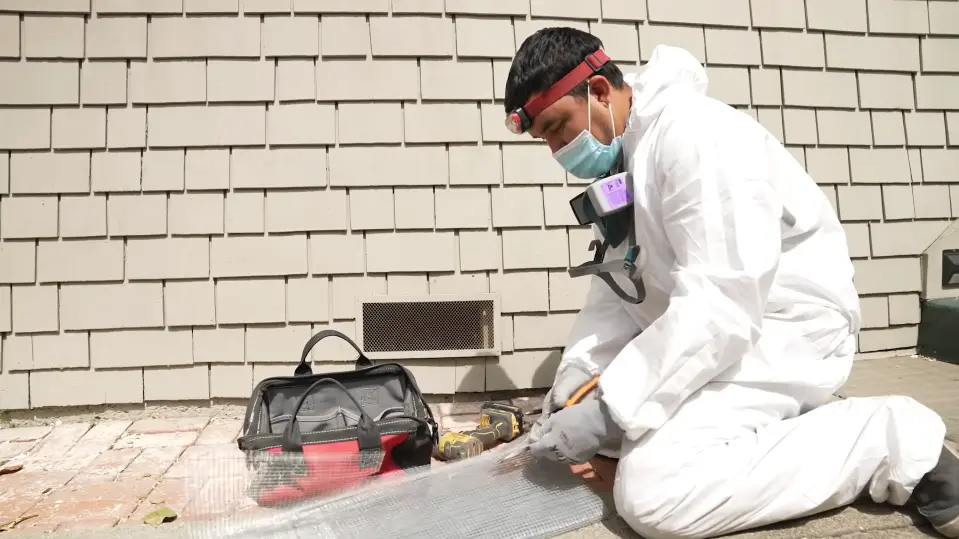
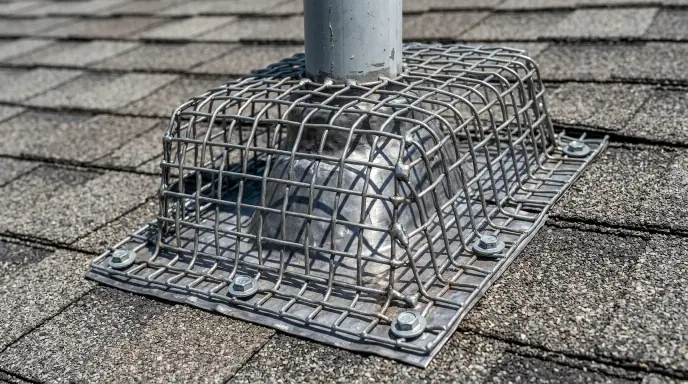
- Permanent Structural Exclusion: We fortify all exterior entry points with 1/4-inch galvanized steel mesh, copper mesh, and chew-proof sealants to ensure no new rodents ever enter your attic.
The Chemistry of Wire Chewing: Why Rodents Target Modern Romex
A common misconception among homeowners is that rodents chew electrical wiring out of aggressive intent or starvation. In reality, modern electrical construction materials possess chemical properties that actively invite rodent gnawing:
- Soy-Based and Plasticized Polyvinyl Chloride Jackets: Environmental manufacturing regulations have driven manufacturers toward sustainable, bio-based plasticizers and soybean oil lubricants in electrical cable coatings and automotive wire looms. To a rodent’s keen sense of smell, modern wire jacketing smells like food.
- Optimal Gauge and Diameter for Incisor Honing: Standard non-metallic sheathed cable (NM-B 14/2 and 12/2 Romex) measures approximately 0.35 inches in diameter. This matches the exact ergonomic jaw span of an adult rat, allowing the animal to hook its upper and lower incisors over the cable and gnaw with maximum mechanical leverage.
- Heat Seeking Behavior: Energized electrical cables emit low-level warmth. In cold winter attics, rodents seek out warm wiring runs, nesting directly on junction boxes where they strip insulation down to bare copper.
The Arc-Fault Fire Hazard: How Chewed Wires Ignite Attics
When a roof rat gnaws through the outer vinyl sheath and inner thermoplastic insulation of a 120-volt residential circuit:
- Intermittent Arcing: The exposed positive and neutral copper conductors short-circuit intermittently. Because the conductors may not contact continuously, standard thermal circuit breakers often fail to trip immediately.
- Intense Thermal Discharge: Electrical arcing generates instantaneous localized temperatures exceeding 1,200 degrees Fahrenheit.
- Cellulose and Dry Wood Tinder: In Texas attics, blown-in cellulose or fiberglass insulation, dusty wooden rafters, and paper backing on batt insulation act as prime tinder. An arcing spark ignites dry attic materials within seconds, starting a fire that spreads across the roofline before smoke reaches living room detectors.
Insurance Documentation & Forensic Inspections
When rodent chewing causes electrical failures or attic fire damage, filing an insurance claim requires exhaustive forensic evidence:
- High-Resolution Forensic Photo Logs: We document stripped copper conductor runs, rodent teeth striations on wire insulation, and adjacent fecal contamination for submission to adjusters.
- Licensed Electrician Coordination: We partner with licensed master electricians who pull permits, replace damaged wire runs inside conduits, and install modern Arc-Fault Circuit Interrupters (AFCIs).
- Full Structural Exclusion Certification: Insurance carriers frequently require proof that exterior entry holes have been sealed with chew-proof galvanized steel before underwriting full claim payouts.
NFPA Statistics & Electrical Fire Risks Caused by Rodents
According to forensic investigations by the National Fire Protection Association (NFPA), an estimated 10% to 20% of residential fires of undetermined origin are believed to be caused by rodent-damaged electrical wiring.
In attic environments:
- The Insulation Fire Triangle: Attics combine dry combustible framing lumber, flammable paper backing on fiberglass insulation batts, and high ambient temperatures. When bare copper conductors spark, ignition is instantaneous.
- Hidden Arc Fault Hazards: An arc fault occurs when current jumps across air gaps between damaged conductors. Unlike a hard direct short that trips a standard thermal circuit breaker instantly, arc faults generate intermittent, intensely hot sparks (exceeding 1,000 degrees Fahrenheit) that can smolder for hours before erupting into open flame.
- Master Electrician Remediation Standards: Following our structural exclusion, any compromised electrical circuits must be inspected by a licensed master electrician. Damaged wire runs are replaced inside rigid metal conduit or heavy-gauge armored cable (MC cable) to guarantee total fire safety.
Emergency Electrical Triage for Homeowners
If you suspect rodents have chewed wiring inside your Friendswood attic, execute these emergency safety steps immediately:
- Inspect Your Breaker Box: Check for tripped arc-fault (AFCI) or standard breakers. If a breaker trips repeatedly when reset, do not force it to stay on. Leave it off and call an emergency technician.
- Look for Flickering Fixtures: Flickering ceiling lights or buzzing outlet covers often indicate arcing conductors inside attic joists.
- Do Not Touch Damaged Insulation: Never walk across attic insulation where chewed wires are suspected without de-energizing affected circuits at the main service panel.